Student Blogging: How Blogs Can Transform the Classroom
What happens when students stop writing only for their teacher and start writing for a real audience?
Something changes.
Writing becomes more purposeful. Ideas become more thoughtful. Students begin to care about how they communicate—not simply because an assignment is due, but because someone might actually read it.
That is the opportunity behind student blogging.
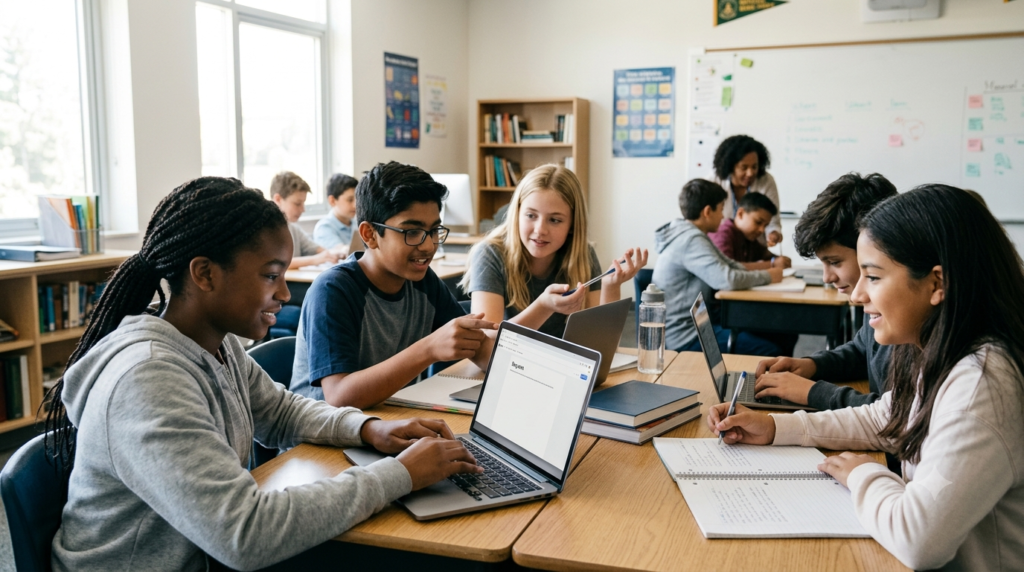
A classroom blog can become more than another digital tool. It can become a place where students publish ideas, reflect on what they are learning, share their work, communicate with others, and gradually develop confidence as digital creators.
What Is Student Blogging?
Student blogging is the practice of giving learners a space to publish their own writing, projects, reflections, images, videos, or other learning activities online.
This can happen through a shared class blog, individual student blogs, or a combination of both.
Edublogs’ professional learning resources describe a gradual approach: teachers can begin by publishing class posts, have students respond through comments, and eventually introduce students to publishing their own posts.
The important idea is that blogging becomes part of learning—not simply another website students are asked to use.
Why Should Students Blog?
1. Give Students a Real Audience
Imagine writing an essay that only one person will read.
Now imagine writing something that classmates, families, other educators, or students in another classroom might see.
The second situation can create a very different reason to write.
A blog gives students the possibility of an authentic audience. Edublogs highlights this as one of the benefits of class blogging, along with opportunities for global collaboration and communication.
When students know their work has an audience, they have another reason to think about clarity, structure, and the message they want to communicate.
2. Turn Writing Into an Ongoing Skill
Good writing rarely appears after one assignment.
Students need opportunities to write, receive feedback, revise, and try again.
Blogging naturally creates those opportunities.
A student might write about a science experiment one week, reflect on a book the next, and then publish a multimedia project later.
Instead of treating writing as something that ends when the teacher returns a worksheet, blogging can make writing part of the ongoing learning process.
3. Encourage Reflection
One of the most valuable things students can do is stop and ask:
What did I learn—and how did I learn it?
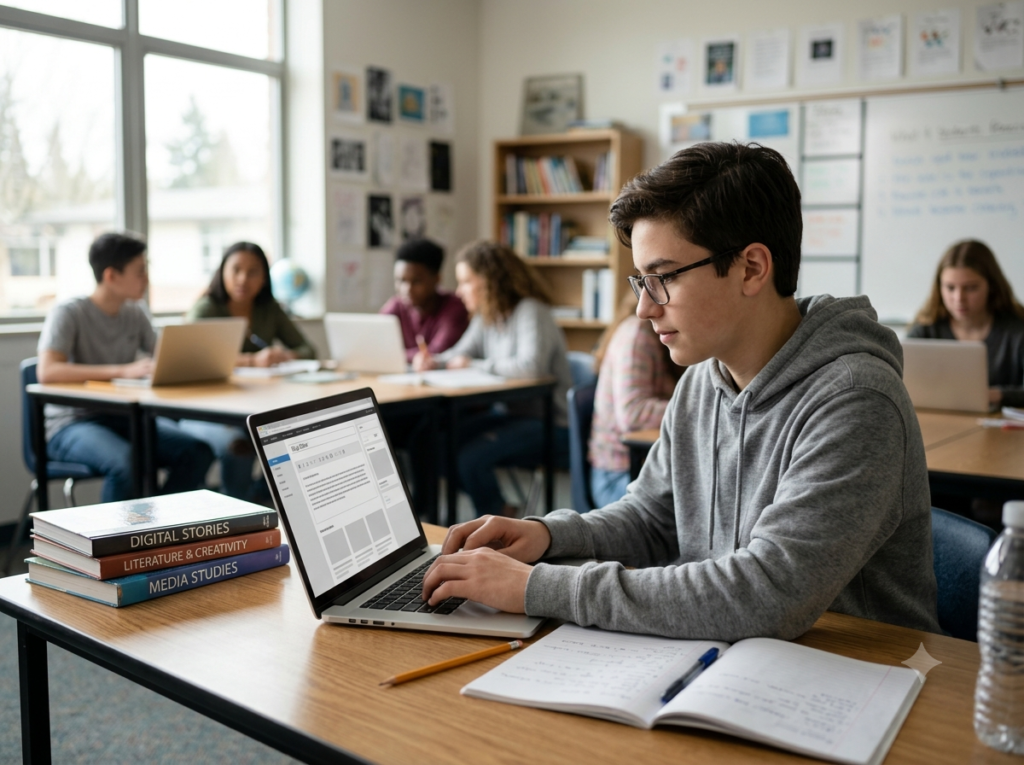
A student blog provides a natural place for that reflection.
After completing a project, students can explain what worked, what challenged them, what they would change, and what they discovered.
Over time, these posts can create a record of their development.
Edublogs notes that student blogs can also function as digital portfolios, creating an archive of learning that students can build over time.
How Teachers Can Introduce Blogging Without Overwhelming Students
You don’t have to launch individual blogs for every student on day one.
In fact, a gradual approach can make the transition easier.
Start With a Class Blog
Begin with one shared space.
The teacher can publish a welcome post, explain an upcoming activity, share class news, or introduce a discussion question.
Students can then respond through comments.
This gives everyone time to become comfortable with the format before students are responsible for creating their own posts.
Edublogs’ teacher training resources specifically recommend this kind of progressive approach, moving from teacher-created posts to student comments and eventually student-created posts.
Teach Students How to Comment
A comment should be more than:
“Great post!”
Teach students to respond thoughtfully.
They might:
- Ask a relevant question
- Add another idea
- Explain something they learned
- Connect the post to their own experience
- Offer constructive feedback
This turns the blog into a conversation rather than a digital noticeboard.
What Can Students Blog About?
The possibilities are much broader than traditional essays.
Students can publish:
Class Projects
Document a science experiment, research project, art assignment, or group presentation.
Reading Reflections
Share thoughts about books, characters, themes, or questions raised during reading.
Learning Journals
Write regular reflections about what they understand, what they are struggling with, and what they want to explore next.
Multimedia Projects
Combine writing with photographs, videos, presentations, drawings, or other digital work.
Personal Interests
Older students can write about hobbies, technology, sports, creativity, or subjects they are passionate about.
This flexibility is one reason blogging can fit across different subjects and age groups.
Student Blogs Can Become Digital Portfolios
A notebook can show what a student wrote today.
A student blog can show how that student’s work developed over time.
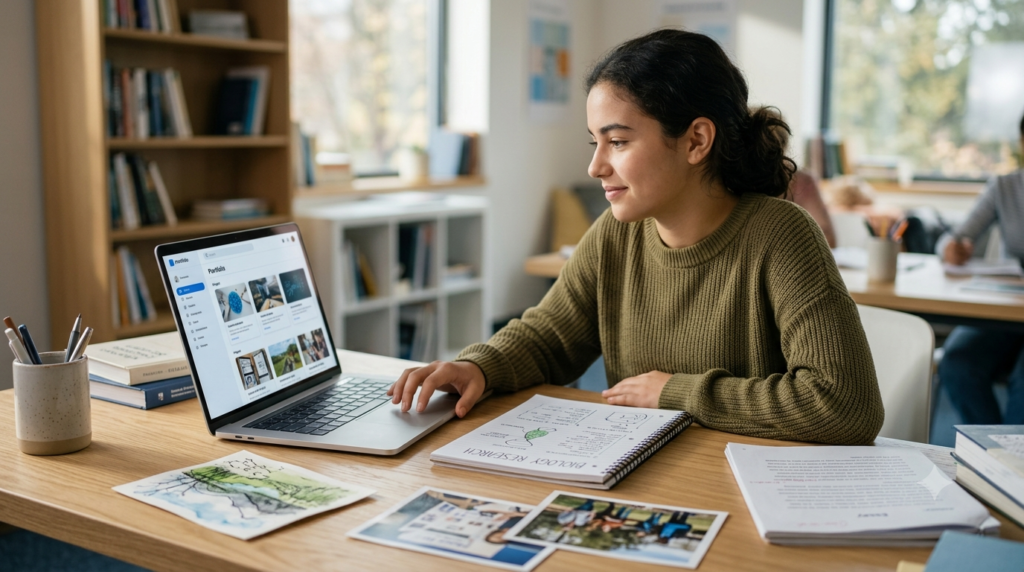
With thoughtful organization, blog posts can become a digital record of projects, reflections, achievements, and learning milestones.
That can make the blog meaningful beyond a single school year.
Students aren’t simply completing assignments.
They are gradually creating something that belongs to them.
Edublogs specifically describes student blogs as a potential digital or ePortfolio that can archive learning
Don’t Forget Privacy and Digital Citizenship
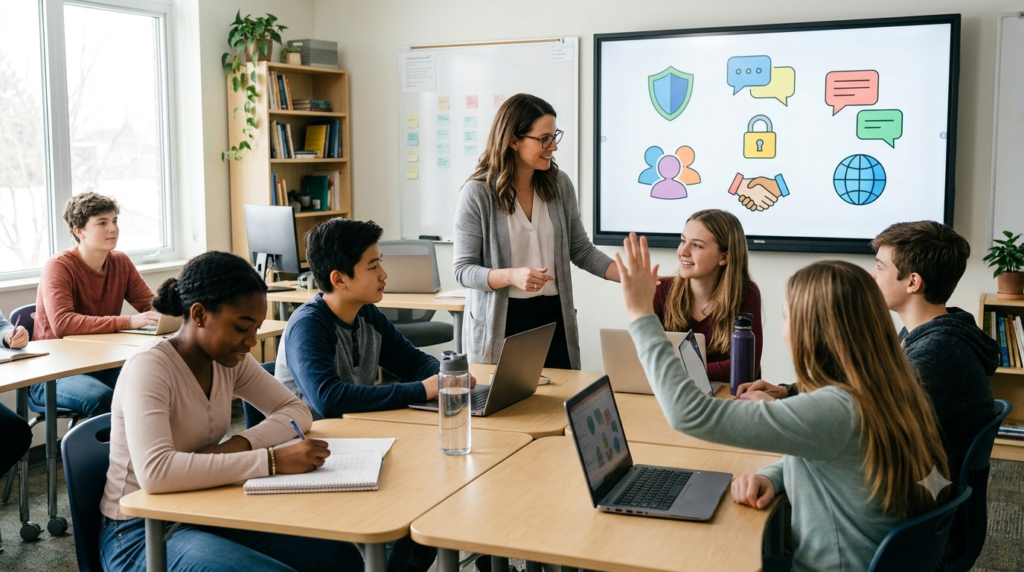
Giving students a publishing platform also means teaching them how to use it responsibly.
Teachers should establish clear expectations around usernames, personal information, comments, appropriate content, copyright, and privacy.
Edublogs’ student-blogging resources include privacy and moderation controls, and its My Class tools allow teachers to manage student blogs and control settings such as comment and post moderation.
The goal isn’t to make students afraid of publishing.
It is to help them become responsible digital citizens who understand that creating online content comes with choices and responsibilities.
The Bigger Opportunity: Give Students a Voice
Technology by itself doesn’t transform learning.
Purpose does.
A student blog gives learners a reason to write, a place to reflect, an opportunity to communicate, and potentially an audience beyond the classroom.
It can connect students with classmates, families, other classrooms, and broader learning communities.
And perhaps most importantly, it gives students something many traditional assignments cannot:
ownership.
They are not simply answering a question on a worksheet.
They are creating something.
They are publishing something.
They are building a record of what they know and how their thinking changes.
Ready to Bring Blogging Into Your Classroom?
Start small.
Create a class blog.
Publish one question.
Invite students to respond.
Teach them what makes a useful comment.
Then, when they’re ready, let them create their own posts.
You don’t need to transform your entire teaching approach overnight.
One post can start the conversation. One comment can start a connection. And one student blog can become the beginning of a much bigger learning journey.
Final Thought
The best educational technology doesn’t replace the teacher.
It creates more opportunities for students to think, create, communicate, and participate.
That’s the real potential of student blogging.